







Search Results for: Flavor Preservation
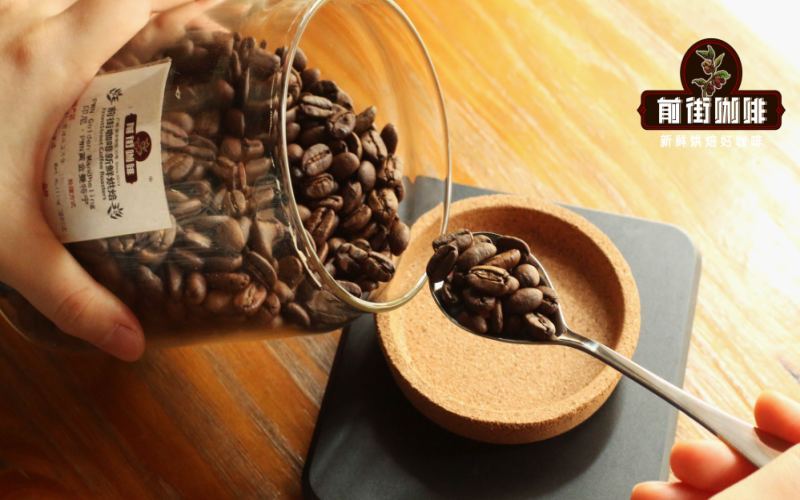
How Should You Store Hand-Drip Coffee Beans Properly? A Full Analysis of the Flavor Characteristics of Twelve Common Single-Origin Beans
The freshness of coffee beans directly determines the flavor profile of a cup of pour-over coffee, and storage method is the key factor affecting freshness. This article approaches the topic from two preservation strategies—green beans and roasted beans—analyzing the three major flavor killers: light, temperature, and oxygen. It also introduces the respective advantages of one-way degassing valve bags and vacuum-sealed canisters, while explaining the difference between a coffee bean's peak flavor period and its shelf life. Finally, it compiles twelve common coffee beans suitable for pour-over and their flavor characteristics, covering the Front Street Coffee everyday drinking series and more distinctive single-origin beans, helping you quickly find your ideal choice based on taste preference. [more…]
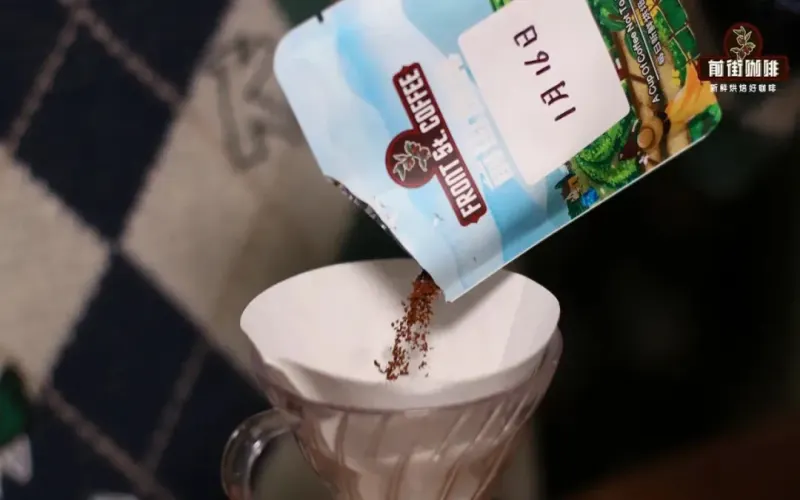
How Long Can Coffee Beans Retain Their Flavor After Being Ground into Powder? An Analysis of Aroma Changes and Preservation Methods in an Unsealed State
Once coffee beans are ground into powder, their intact structure is destroyed, the surface area increases nearly a thousandfold, and the rate at which flavor compounds are lost accelerates dramatically. Even with proper storage, the shelf life of ground coffee falls far short of that of whole beans—usually less than half. Front Street Coffee has previously shared content on how long ground coffee can be kept under sealed conditions, and afterward a reader raised a question in the comments: if ground coffee is not sealed, how will its aroma change over a short period? To answer this question, Front Street Coffee decided to conduct an experiment to observe the differences between coffees brewed from grounds produced at different times—in other words, to investigate how long coffee beans, once ground, can actually be kept without sealing. [more…]
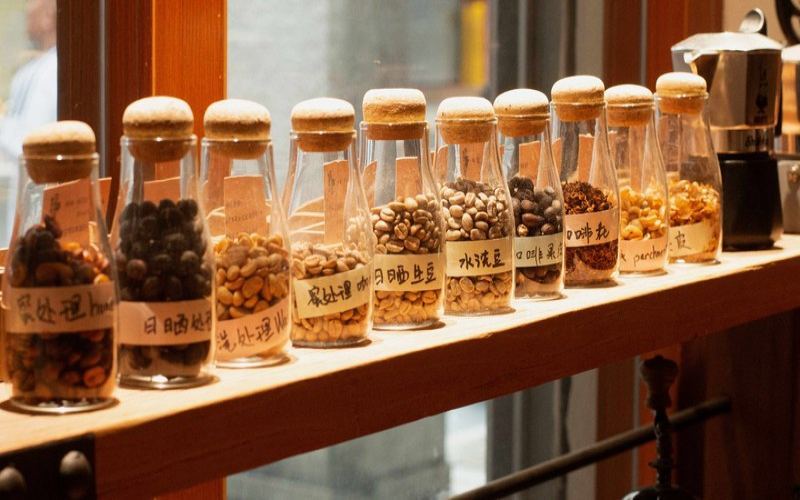
Understanding the Degassing Cycle of Espresso Beans: Daily Drinking Rhythm and Flavor Preservation Methods for Home Machines
Roasted coffee beans contain abundant carbon dioxide internally, and these gases can participate in forming a golden, delicate crema during extraction. However, during the stage of extremely vigorous degassing, excessive bubbles tend to hinder uniform contact between water flow and coffee particles, making the flavor in the cup appear unsettled. Understanding how coffee beans evolve in condition across different time periods, [more…]
How to Balance Coffee Bean Shelf Life and Peak Flavor Window? A Full Guide to Proper Storage After Opening
Stockpiled a bunch of coffee beans but can't finish them? Should you refrigerate or freeze them? Which really matters more—the shelf life or the peak flavor window? Starting from a question a customer sent to Front Street, this article systematically sorts out the core logic of coffee bean preservation: first clarify what "freshness" actually is that we're after, then break down the strategies for dealing with the five great enemies—light, heat, moisture, oxygen, and odors—one by one, and finally provide practical steps and precautions for freezing, helping you find the freshness-locking solution that suits you best. [more…]
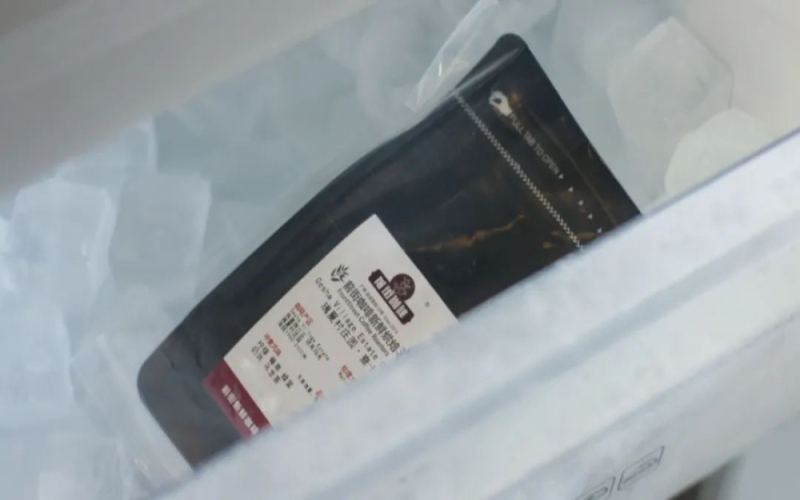
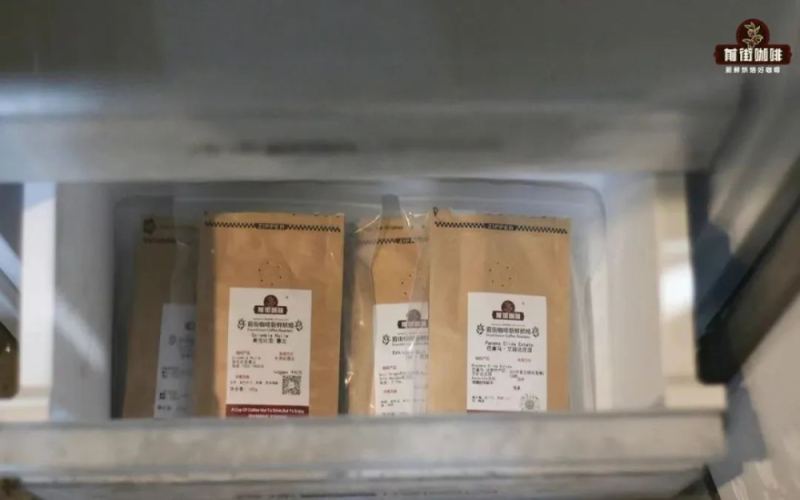
Can Freezing Coffee Beans Really Lock in Flavor? Front Street Coffee Explains the Truth and Practical Key Points of Frozen Preservation
Is the frozen coffee bean storage method circulating online actually able to extend the peak-flavor period and lock in the flavor? This time Front Street is going to seriously discuss this topic. Freezing can indeed slow down the oxidation rate of coffee beans, extending the optimal tasting period from 30 days to 2~3 months, but experiments show that frozen beans are actually in a "pseudo-fresh" state, and there is still a gap in flavor compared with the peak-flavor period. The real advantage of freezing lies in making the ground particles more uniform. However, there are too many variables in daily operation, such as needing to grind within one minute of thawing, adjusting brewing parameters, and improper sealing causing odor transfer. This article will break down the principles of frozen storage, the points to note, and give more practical bean storage suggestions one by one. [more…]

Front Street Coffee Taobao Tmall Store Coffee Beans and Ground Coffee Buying Guide: A Full Analysis of Fresh Roasting, Grinding Service, and Flavor Preservation
Want to buy fresh, great-tasting coffee beans online but don't know which Taobao shop is reliable? Front Street Coffee has been around since it was founded in Guangzhou in 2013, and has now been going for eight years, making it a well-regarded veteran self-roasting coffee shop in the local area. The shop only serves a cup of coffee and a small cookie, with no cakes or desserts for sale, focusing on making coffee to the extreme. Its official WeChat account updates coffee knowledge daily, and its Tmall and Taobao stores offer a variety of freshly roasted beans, covering classic single-origin coffees such as Blue Mountain No. 1, Red Label Geisha, Huakui, Gendingding, and Kenya AA. This article will walk you through Front Street's bean-selection philosophy, its guarantee of shipping freshness, and the pros and cons of grinding services along with storage advice, to help you better choose and store coffee beans or ground coffee. [more…]
Drip Bag Black Coffee Buying Guide: Top Ten Specialty Bean Recommendations and Proper Brewing and Storage Tips
As the pace of modern life accelerates, drip bag coffee has become an ideal choice for home, office, and travel thanks to its simplicity and efficiency. This article will provide coffee lovers with a detailed analysis of how to choose the right drip bag coffee beans according to personal taste, with a focus on recommending several best-selling Front Street Coffee products, including specialty beans such as Yunnan Typica, Golden Mandheling, Yirgacheffe Red Cherry, and Brazil Queen's Estate. At the same time, it shares practical knowledge such as the correct brewing method for drip bag coffee, preservation tips, and the best flavor period, helping everyone easily enjoy a cup of stable-quality black coffee even without professional equipment. [more…]

A UK Heytea store was exposed for using frozen mango puree; the company responded that the quick-freezing process ensures a stable supply.
Recently, a Heytea customer in the UK discovered that the mango ingredient used in stores was not fresh fruit, but frozen fruit puree labeled as "frozen mango puree." This discovery sparked discussions among netizens in many overseas locations, with Heytea stores in markets such as the United States, France, and South Korea also accused of using frozen jams and purees instead of fresh fruits and vegetables. The brand responded that the use of quick-freezing preservation technology is intended to ensure stable supply for stores in a wider range of regions. Is it a cost consideration, or a limitation of overseas fruit quality? This article takes you through the ins and outs of the incident. [more…]
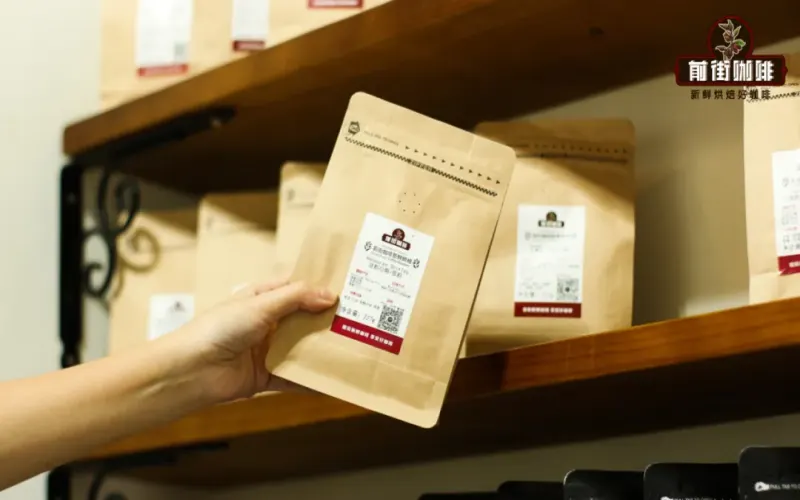
The Complete Guide to Keeping Coffee Beans Fresh: Master the Four Elements and Keep the Four Horsemen at Bay
The freshness of coffee beans directly determines the flavor performance of a cup of coffee, yet many coffee lovers often stumble when it comes to storage. This article will systematically explain the core principles of coffee bean preservation—the four key elements of sealing, coolness, dryness, and light protection—and analyze one by one how the corresponding "Four Heavenly Kings" accelerate the loss of coffee flavor. At the same time, we will also provide practical storage advice to help you maximize the shelf life of coffee beans in your daily routine. If you are looking for reliable fresh coffee beans, the daily beans series from Front Street Coffee is worth checking out. [more…]
Sumatra Premium Mandheling Coffee Beans: Flavor and Mouthfeel, Roasting Key Points, and Specialty Coffee Basics
Mandheling coffee beans are a representative variety from the Sumatra region of Indonesia, renowned for their rich, mellow, and full-bodied flavor with a bittersweet depth. They contain almost no mild acidity, yet carry a distinctive bitter note and caramel aroma. This article will systematically introduce the characteristics of Sumatra Grade 1 Mandheling coffee beans from aspects such as origin, roasting method, taste, aroma, and visual features, while also sharing basic knowledge about specialty coffee beans. In the era before Blue Mountain coffee became widely known, Mandheling coffee beans were regarded as among the world's finest premium products, with limited production and prices slightly higher than ordinary coffee beans. Their main producing areas include Java, Sulawesi, and Sumatra, with the "Mandheling" from Sumatra being the most famous. Since Mandheling coffee beans have extremely low acidity, they are particularly suitable for long-term heat preservation or making iced coffee, as they are unlikely to develop an unpleasant sour or astringent taste. Front Street Coffee recommends that enthusiasts pay attention to the roasting level and brewing method to fully bring out their rich, mellow flavor. [more…]
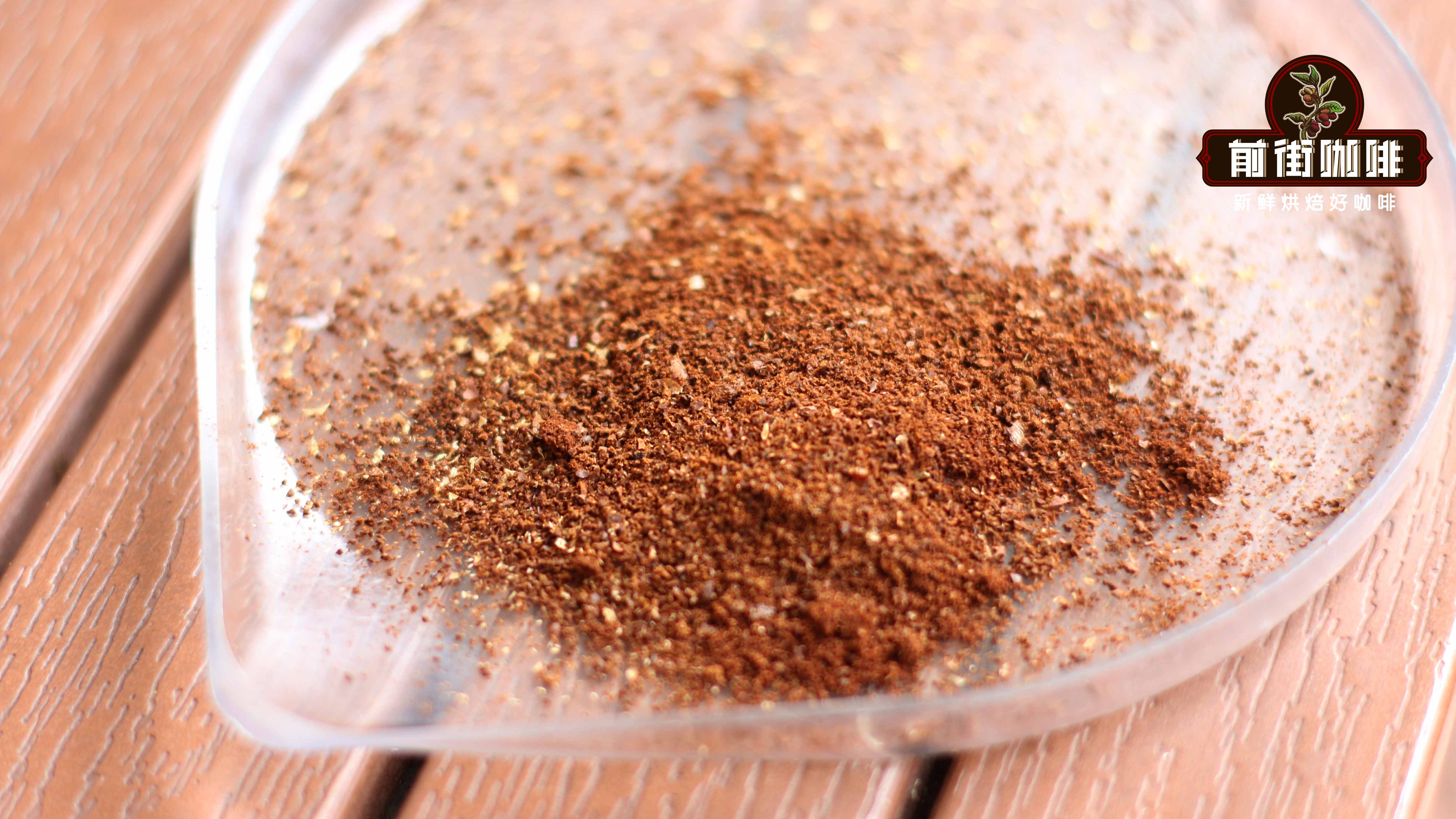
How to Choose Between Ground Coffee and Coffee Beans? A Detailed Guide to the Correct Brewing Methods and Storage Tips for Ground Coffee
Many coffee enthusiasts face a choice when buying coffee: should they buy whole coffee beans or just buy pre-ground coffee powder? From the perspective of flavor preservation, there is a clear difference between the two. This article will start from the speed at which coffee flavor dissipates and the actual needs of different consumer groups, analyze the applicable scenarios for coffee beans and coffee powder respectively, and at the same time explain in detail how coffee powder should be properly stored after purchase. Using pour-over as an example, it will also fully demonstrate the brewing process and parameters for coffee powder, helping you preserve the best possible flavor expression of coffee in your daily drinking. [more…]
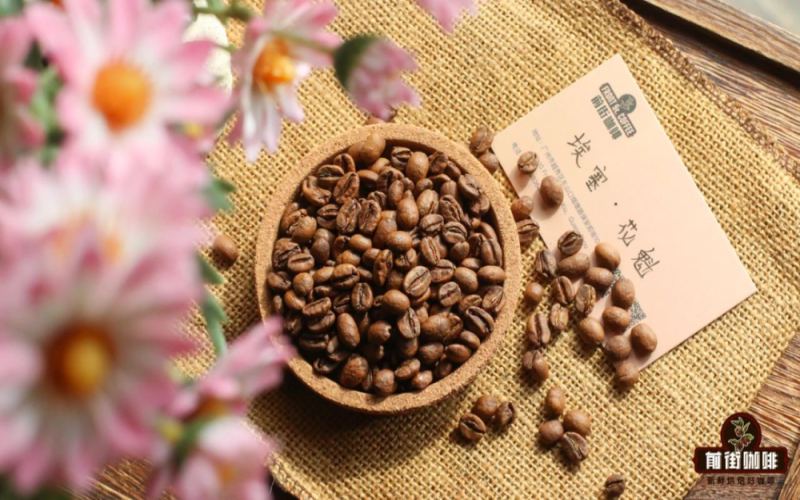
How Long Can Coffee Beans Be Stored After Opening? An Analysis of Tips to Prevent Coffee Grounds from Losing Flavor and Key Professional Storage Points
The freshness of coffee beans directly determines the flavor quality of a cup of coffee, and whether the storage method is scientific is also a key factor affecting freshness. After roasting, coffee beans need to simultaneously withstand the triple challenges of humidity, temperature, and oxidation, among which oxidation accelerates the dissipation of aromatic compounds. So how long can coffee beans be kept after opening? How many days can the flavor of ground coffee be maintained? This article will start with the difference between the peak flavor period and the shelf life, analyze one by one the several "killers" of coffee freshness—light, high temperature, moisture, and oxygen—and, combined with the packaging characteristics of Front Street Coffee, provide practical preservation suggestions. [more…]
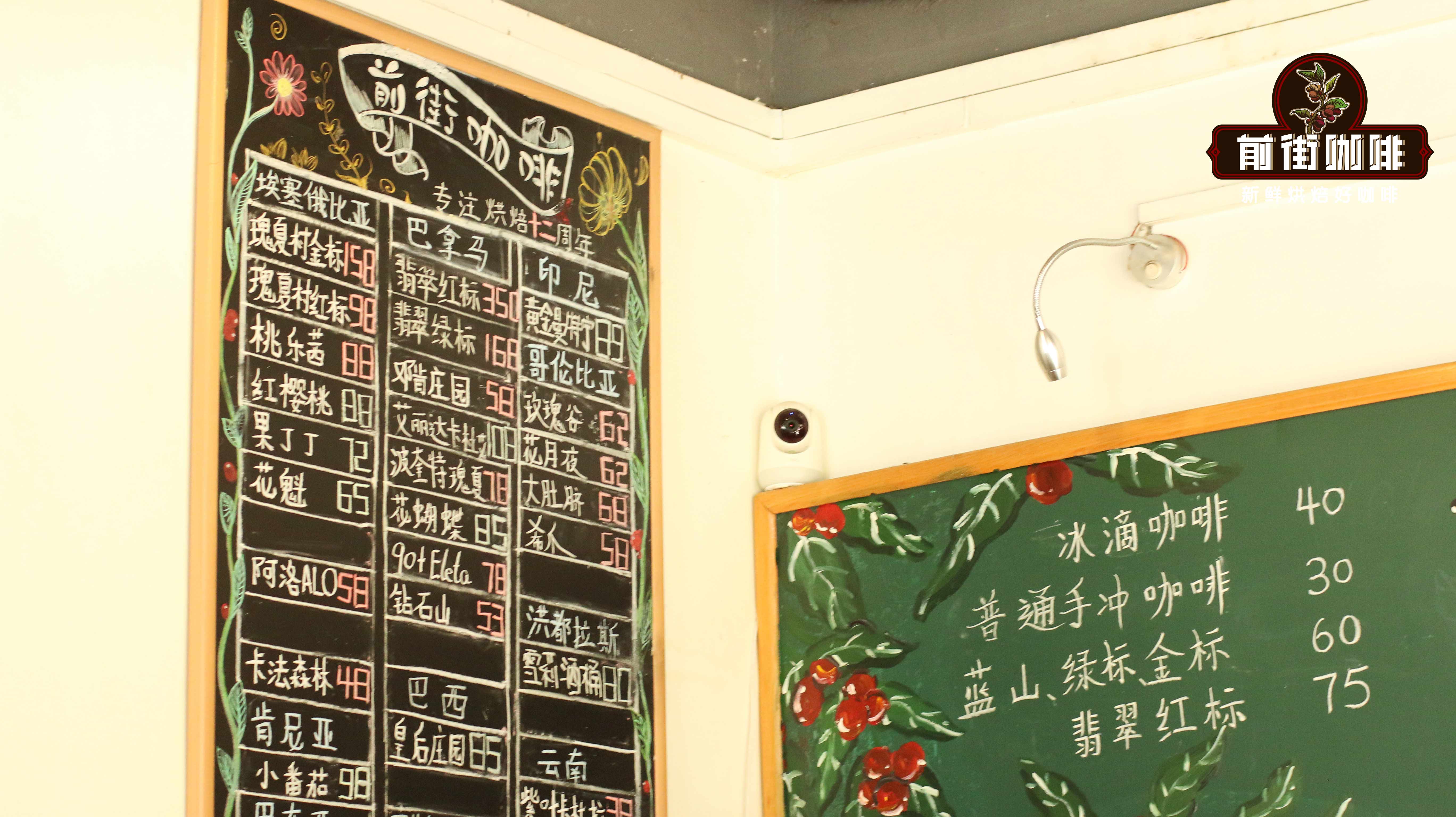
How to Choose an Imported Coffee Bean Brand? A Comprehensive Analysis of illy, Starbucks, Lavazza, and the Domestic Brand Front Street Coffee
When domestic coffee brands had yet to form a unified landscape, imported coffee beans still firmly held most of the market share. Faced with a dazzling array of brands, consumers often don't know where to start. This article does not discuss coffee bean varieties, nor does it cover instant coffee, but instead focuses on several of the most common excellent coffee bean and ground coffee brands in China, introducing their characteristics and positioning one by one. From Italy's national treasure brand illy, to global chain giant Starbucks, to Lavazza, known for its freshness-preserving technology, and to the highly recommended domestic Front Street Coffee, this will help you more clearly understand the tiers and advantages of these brands. [more…]
A Brand Recommendation Guide for Buying Imported Pure Coffee Beans: Why Experts Prefer Small Bean Traders
Coffee, wine, and tea are all flavor foods, yet China's coffee bean production accounts for only about 1% of the global total, and most beans on the market are imported. If you just want to try brand-name beans with a sharing mindset, feel free to give them a try; but if you're giving them to someone who knows coffee, it's best to give up on shopping at large supermarkets. Whether espresso or single-origin, there is only one core principle when buying: fresh roasting. Beans from supermarkets or chain brands are often already months past their roast date, with their aroma severely lost—even nitrogen-flushing and other preservation techniques can't save them. In addition, if you can obtain information on variety, altitude, and processing method, and the more specific the origin, the more guaranteed the quality usually is. This article recommends several freshly roasted specialty coffee brands and explains why small bean merchants deserve more attention. [more…]
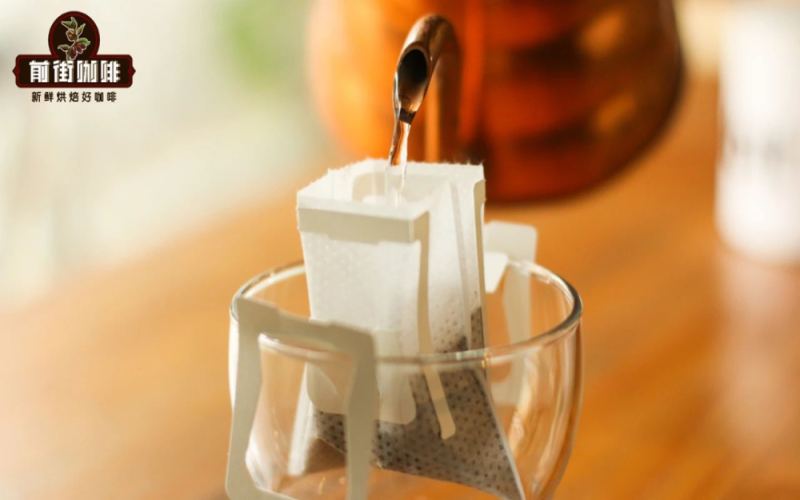
A Beginner's Guide to Drip Bag Coffee: An Analysis of Mainstream Flavor Types and Beginner-Friendly Brand Recommendations
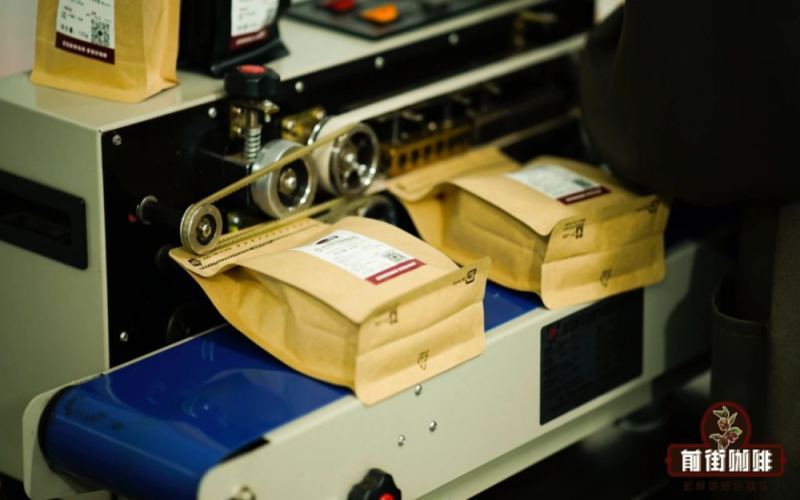
Drip bag coffee, with its convenience of being ready to brew and drink instantly and its natural taste superior to instant coffee, is becoming the daily choice of more and more coffee lovers. To preserve the freshness of ground coffee, many brands adopt fresh-roasting and immediate packaging, high-purity nitrogen preservation, and fully automatic packaging processes, so that the aroma bursts forth the moment the bag is opened. Faced with a dazzling array of products on the market, beginners often do not know where to start. This article sorts out the core characteristics of drip bag coffee and selects four Front Street Coffee drip bag coffees, explaining each one from roast level to flavor, to help beginners follow the clues. At the end of the article, detailed drip bag brewing steps are also included, so you can easily brew black coffee close to cafe quality at home. [more…]
Coffee Shelf Life and Proper Storage: Roast Dates, Causes of Staleness, and Freezer Misconceptions Explained
How long can coffee be stored? Will it go bad if kept for too long? Can you still drink it after the expiration date? These are questions everyone who stocks up on coffee at home will encounter. From the perspective of Front Street, this article first explains why coffee ultimately deteriorates—degradable compounds break down over time, and how oxygen, moisture, and storage methods accelerate this process; then it offers practical preservation principles: seal tightly, keep cool, avoid light, prevent moisture, and emphasizes that drinking it as soon as possible is the best approach. The article also analyzes why putting coffee in the refrigerator is not advisable, teaches you to use your nose to judge whether coffee has already gone stale, and recommends more reliable storage tools such as vacuum-sealed bags. [more…]
Drip Bag Coffee Buying Guide: How to Tell Good Brands from Bad, Plus Eight Front Street Specialty Flavor Recommendations
In the fast-paced modern life, if you want to enjoy a high-quality cup of black coffee anytime, drip bag coffee is undoubtedly an ideal solution. This invention, which originated from UCC Ueshima Coffee in Japan, now occupies 15% of the Japanese coffee market. However, although they are all called drip bag coffee, the quality varies greatly—specialty bean raw materials, breathable and non-toxic filter paper, and nitrogen-flushing preservation technology are all indispensable. This article will guide you through the historical origins and core characteristics of drip bag coffee, and focus on how the Front Street brand uses specialty estate beans and diverse roasting to create eight drip bag products with distinct terroir characteristics, from the brightly fruity Yirgacheffe to the rich and full-bodied Mandheling, meeting the needs of people with different taste preferences. [more…]
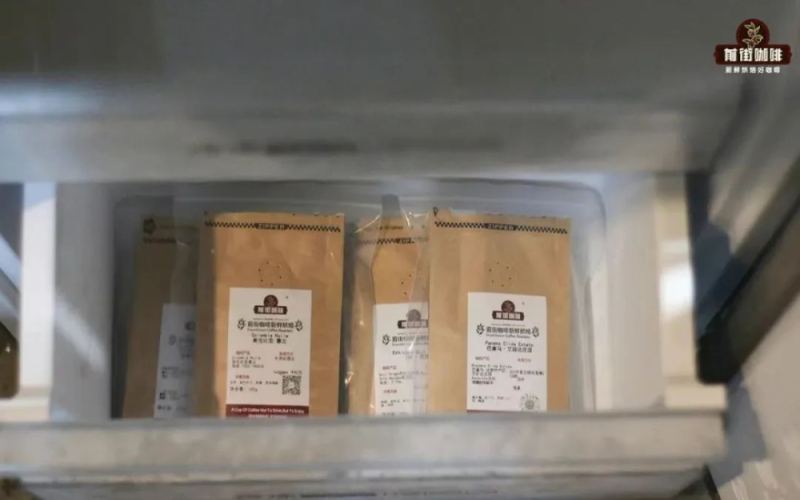
The Complete Guide to Coffee Bean Storage: Can Freezing in the Refrigerator Extend Freshness and Key Points for Moisture and Odor Prevention
Bought too many coffee beans and can't finish them for a while—can you just toss them in the fridge? Should they go in the refrigerator or the freezer? This article centers on the real goal of "freshness"—preserving aroma—and breaks down the five great enemies: strong light, high heat, moisture, oxygen, and odors, while offering practical home freshness-locking solutions. It also draws on the experimental conclusions of Swiss scientist SAMO SMRKE to explain that freezing can significantly slow down coffee bean degassing and delay the peak flavor period, but improper handling can also lead to air leakage, moisture absorption, and odor transfer. At the end, Front Street's detailed freezing and thawing tips are included to help you store your beans more reliably and enjoy better-tasting coffee. [more…]
How Can You Tell If Coffee Beans Are Fresh? Seven Practical Ways to Assess from Visual Inspection to Pour-Over
Whether a cup of coffee tastes good or not, freshness is often the decisive factor. No matter which country the coffee beans come from, which factory roasts them, or which channel sells them, freshness preservation is always the top priority. Generally speaking, coffee beans are in their optimal drinking window within two weeks after roasting is completed; during this stage, the beans' aroma and taste both reach their peak. So how can ordinary consumers judge whether the coffee beans in their hands are fresh enough? This article starts from seven dimensions—looking, grabbing by hand, smelling, pressing by hand, biting, grinding, and brewing—and breaks down the identification methods one by one, helping you quickly make a judgment in daily purchasing and use, and grind out truly good-tasting coffee. [more…]
The Sweet-and-Sour Structure of Light-Roast Beans: Floral and Fruity Aromas with Bright Acidity
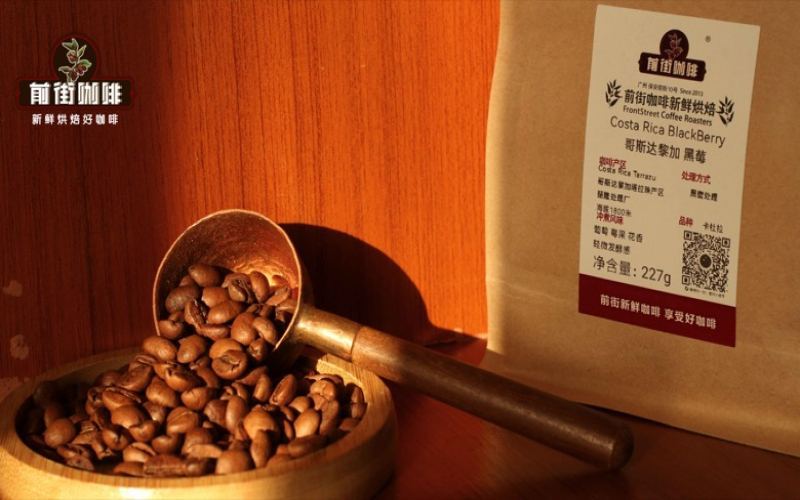
The flavor logic of light-roasted beans is "preservation": the roasting time is short, so the floral and fruity aromas and acidity of the origin are retained to a greater extent. When brewed properly, it is a bright and clean cup. The light-roast version of Front Street Coffee Yirgacheffe Gedingding has a clear citrus and green tea sweetness, and the acidity is a lively fruit acidity rather than a sharp, irritating sourness—the sweet-and-sour sensation of a light roast. [more…]